Sponsor a Rescue Dog’s Journey
Every dog you see here is in active training—your sponsorship turns behavioral hurdles into triumphs, one lesson at a time!
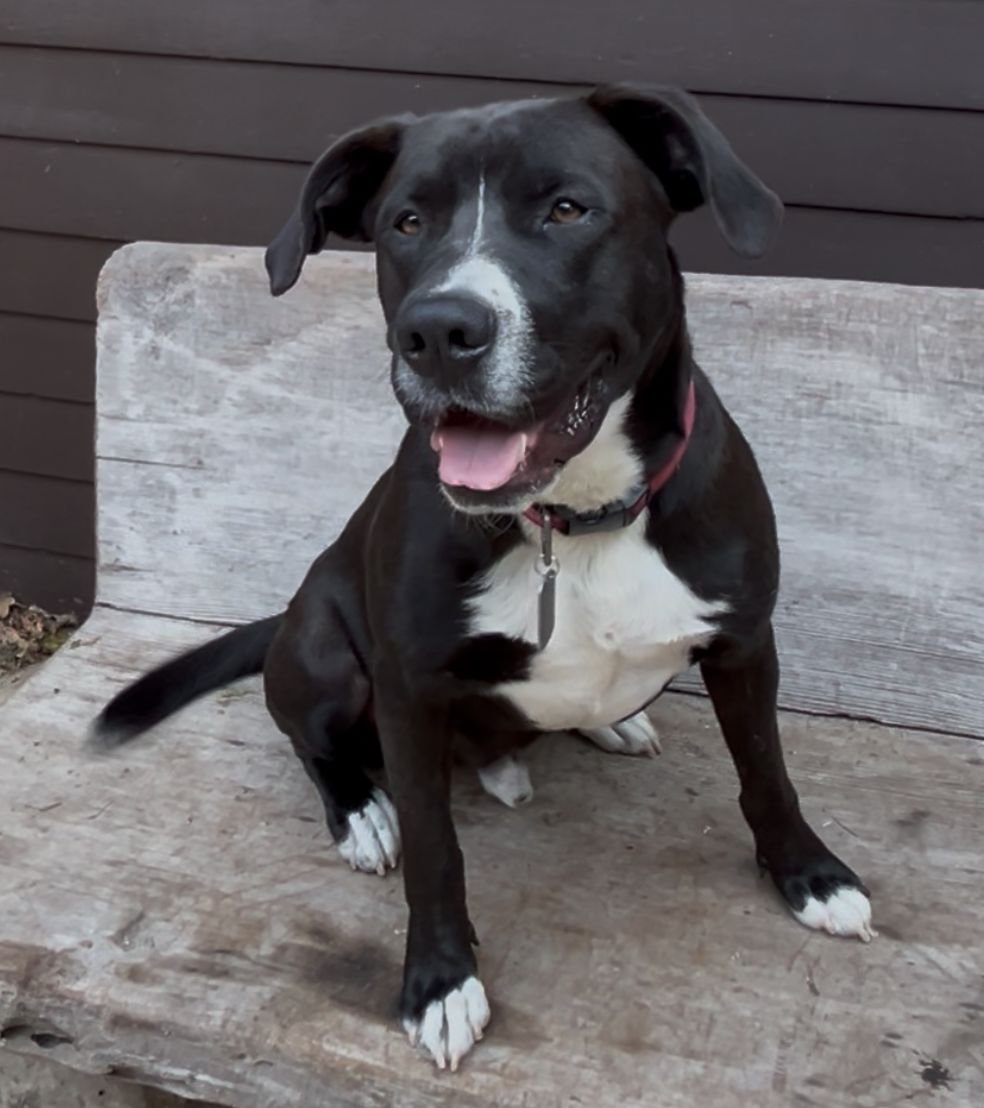
Chewy: The Dog Who Reminded Me I Don’t Know It All
(By John Sorosky – K911 Transformative Dog Handling)
Every once in a while, a dog comes along who reminds me that—even after forty years in this work—I don’t know it all.
Recently, that dog has been Chewy. What an interesting dichotomy: sweet and playful one second, and a scary “monster” the next.
Before I met him, Chewy had already lived through more than most dogs ever should. He was first seen darting across a busy freeway—lost, confused, and terrified—until an off-duty police officer and his wife stopped traffic to save him. At the shelter, staff scanned his microchip, and sure enough, his name really was Chewy. It seemed like fate.
But after months of waiting behind kennel doors, the stress of shelter life began to take its toll. What started as mild reactivity to bikes and cars spiraled into full-blown anxiety: barking, lunging, pacing, fear. Eventually, he landed on the euthanasia list.
By the grace of God—and the commitment of his angel, Ellie—Chewy was rescued and pulled by SPARC (Santa Paula Animal Rescue Center). He was temporarily housed next door to our training facility at Camp Canine in Santa Barbara, and then at my K911 Animal Rescue Training facility right next door.
Ellie, his advocate, a devoted volunteer who had followed him from the shelter, was doing everything she could to help him unwind. But Chewy was a handful: strong, reactive, and constantly on alert.
When I offered to help, what began as friendly advice turned into one of the most meaningful experiences of my career.
At first, I thought Ellie had Chewy on what I call “doggy welfare.” Meaning: she was giving him treats and affection without asking for much in return. It came from love, but he needed more structure and balance. I wanted to show her how to build more discipline back in. But soon, it became clear that the answer wasn’t going to be found in what I knew—it was in something I still had to learn.
The Beginning: Pure Reactivity
When I first met Chewy, he reacted to just about everything: cars, skateboarders, kids fifty yards away, joggers, airplanes, strangers, dogs on leash, even birds overhead. His threshold was almost nonexistent.
Ellie could hardly walk him in public. One moment he was the sweetest, most engaged partner; the next, he was lunging at what he perceived as threats. When he flipped that switch, he was terrifying and hard to control. Classic high prey drive, right? Or was it?
Something didn’t fit.
You could see the conflict in his body: hyper-vigilant eyes, tight muscles, scanning constantly for “threats” that most of the time weren’t threats at all. His reactions were never toward his handler but always toward something new, sudden, or unpredictable.
At first, I made the mistake of treating him like a standard reactive dog. What I knew worked—just not enough. Chewy’s outward aggression was masking something deeper. It wasn’t dominance or prey drive. It was fear. He was overstimulated, anxious, and completely overwhelmed by the world.
When a dog reaches that state, obedience training alone won’t cut it. You have to teach the nervous system how to calm down before you can teach anything else.
Relearning How to Calm Down
With Chewy, I had to go back to fundamentals, not just for him, but for myself.
Our first win came through the Gentle Leader, which gave us control for roadwork and desensitization. Then came what I call the “Chill Position.” Using a specialized handling protocol, I guided Chewy into a calm, grounded state—on his side, ear to the ground, breathing deeply.
We call it “Out of Service.”
Every time Chewy reacted—or even before he had the chance—he went into Chill. This physical reset helped him regulate his nervous system and learn to self-soothe. I’d wait for his breathing to slow, then reward relaxation.
Sometimes this happened every thirty feet. I coached Ellie on how to help him chill, and she—unknowingly—taught me patience.
Over time, a new pattern formed:
“I don’t have to react. I can choose to be calm instead.”
It wasn’t fast. It wasn’t easy. But we both wanted something new, and we did the work.
Day by day, Chewy began to surprise us—with moments of progress, regression, and then breakthroughs. Three months later, what began as chaos started to look like a miracle.
Unlike most shelter dogs, flight was never his go-to response. Teaching the Chill Position every time he lost his cool became a routine—and eventually, an automatic response to stress.
Now, Chewy plays at the dog park with dogs and people he’s never met. He’s not “fixed,” but he’s learning. And truthfully, so am I.
The Lesson
In meeting this rescue challenge, Ellie, Chewy, and I each got exactly what we needed.
And that’s the essence of K911 Transformative Dog Handling—teaching dogs and people to rebuild trust, one calm breath at a time.
About the K911 Transformative Dog Handling Program
Led by canine behavior expert John Sorosky, the K911 Transformative Dog Handling & Training Program equips shelter staff, rescue teams, and individual dog owners with practical, science-based methods to help reactive, fearful, or misunderstood dogs.
Through a mix of hands-on workshops, volunteer training, and one-on-one sessions, John teaches the techniques that save lives—helping dogs like Chewy find balance, trust, and a second chance.
WHO IS CHEWY TODAY?
- House-trained
- Sweet, loyal, and goofy
- Great with most large dogs
- Knows basic commands
- Protective (a great deterrent dog)
- BALL OBSESSED (seriously, he lives for fetch)
No cats
Not suited for small kids
Needs continued work around bikes, trucks & skateboards (but he’s come so far)
WHO IS CHEWY LOOKING FOR?
- An experienced dog person who understands reactivity and rescue.
- A calm, consistent adult or couple, ideally with a quiet home and yard.
- Someone patient, kind, and ready to continue his training—with full support from us.
Chewy isn’t a starter dog. He’s not perfect. But if he’s your dog… He’ll be the most loyal companion you’ve ever known.
CAN’T ADOPT? HERE’S HOW YOU CAN HELP:
Training and boarding take resources. John is generously donating his time, but even heroes have bills.
Support Chewy’s training with John:
Venmo @john-sorosky (Note: “Chewy”)