Chewy’s Transformation: From Fearful and Reactive to Calm, Confident, and Off-Leash Free
Jazzy’s Second Chance: From Misunderstood and at Risk to Calm, Confident, and Full of Hope
Before training, Jazzy’s story was heading toward a heartbreaking ending.
She was overwhelmed by the world around her, misunderstood by the people trying to help, and labeled as “too much” far too quickly. Her reactions were intense. Her stress levels were high. And because no one had taken the time to truly understand why she behaved the way she did, Jazzy was facing the unthinkable — euthanasia.
Not because she was dangerous.
Not because she was untrainable.
But because she was struggling, and no one had shown her another way.
A Dog Under Pressure, Not a “Problem Dog”
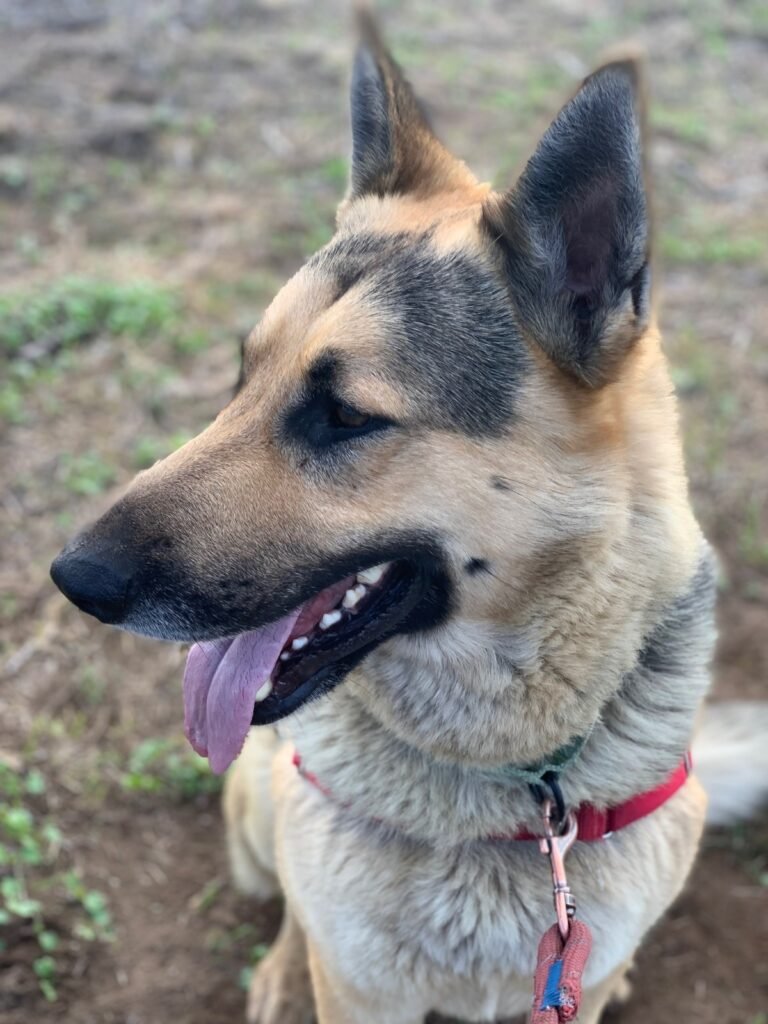
Jazzy wasn’t aggressive by nature. She was overloaded.
Like many dogs who end up in similar situations, she had learned that reacting was the only way to communicate discomfort, fear, or confusion. When her environment felt unpredictable, her nervous system went into survival mode. Every new situation felt like a threat. Every interaction felt overwhelming.
This is where so many dogs are failed — not by lack of love, but by lack of understanding.
When John stepped in, he didn’t see a lost cause. He saw a dog whose signals had been ignored for too long.
A Different Approach Makes All the Difference
Jazzy’s training didn’t begin with obedience drills or rigid expectations. It began with slowing everything down.
The first goal wasn’t perfection — it was stability.
John focused on:
Reducing Jazzy’s stress before asking for behavior
Creating clear, predictable structure
Helping her feel safe enough to think instead of react
Teaching her how to settle, not suppressing her emotions
Building communication based on trust, not force
Progress wasn’t instant, and it wasn’t linear. Some days were quiet wins. Other days required patience and adjustment. But slowly, Jazzy began to change — not because she was being “fixed,” but because she was finally being heard.
The Shift: From Survival Mode to Confidence
As Jazzy’s stress decreased, something remarkable happened.
Her reactions softened. Her body language changed. She began to pause instead of explode. She started looking to her handler for guidance instead of trying to manage the world on her own.
This is the moment where real transformation happens.
Jazzy didn’t just learn commands — she learned how to feel safe.
With consistent guidance and support, she became calmer and more thoughtful in her responses. Situations that once overwhelmed her became manageable. She gained confidence not because the world changed, but because she did.
Proof That the Right Guidance Saves Lives
Today, Jazzy is a completely different dog than the one who was once written off.
She is:
More emotionally regulated
More connected to her handler
Capable of learning and adapting
Able to build healthy relationships
Ready for a future that once seemed impossible
Most importantly, she is alive — and thriving.
Jazzy’s story is a powerful reminder that many dogs facing euthanasia are not beyond help. They are simply missing the right guidance, structure, and understanding.
What Jazzy’s Journey Teaches Us
This transformation highlights something crucial in dog training:
Behavior is communication
Reactivity is often rooted in fear or confusion
Calm leadership changes outcomes
With the right support, dogs can recover and rebuild
Labels can be dangerous when they replace understanding
Jazzy didn’t need to be given up on. She needed someone willing to see past the behavior and commit to the dog underneath.
Thanks to that commitment, Jazzy now has a future filled with possibility — a safe, connected life guided by clarity, patience, and trust.
Her story isn’t just about training.
It’s about what becomes possible when we choose understanding over judgment.